

Dentistry

- Oral exams
- Dental cleanings
- Polishing
- Fluoride-infused polish to strengthen enamel and reduce tooth sensitivity
- Digital dental X-rays
- Dental chews, treats, and other supplements (for chronic oral issues)
- Physical Exam at Twin Lakes Veterinary Hospital within the past year.
- Current on core vaccines.
- Recent negative fecal sample.
- Pre-operative bloodwork – performed prior to surgery
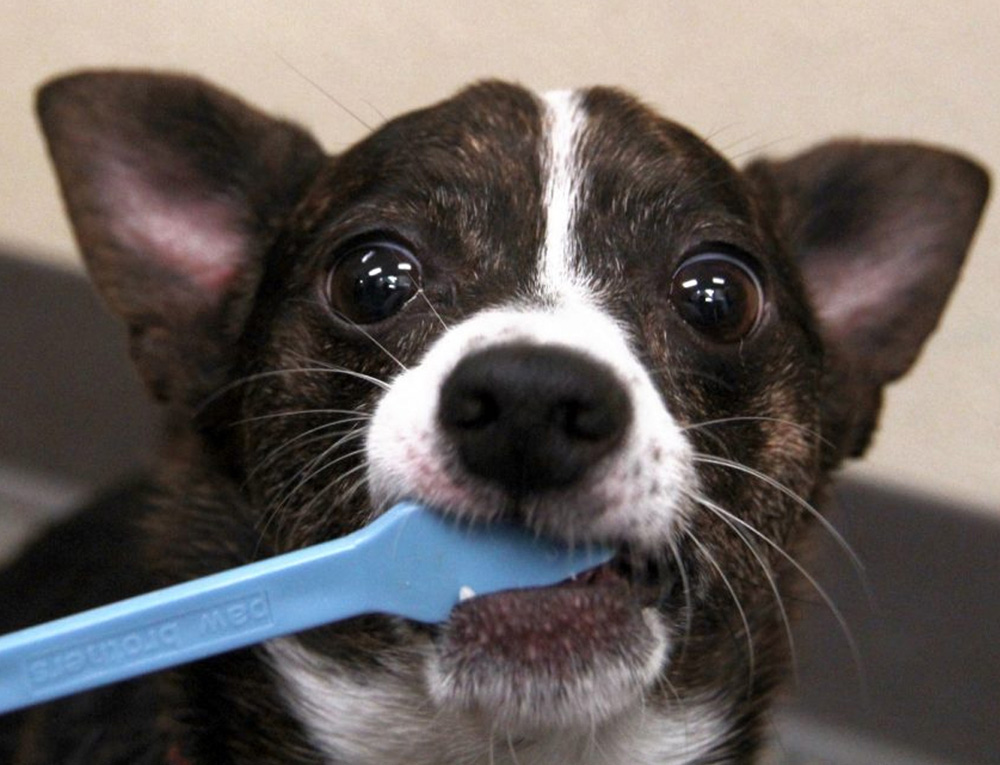
This comprehensive oral health assessment is performed under general anesthesia and includes:
Digital dental radiographs allow better assessment of teeth and what is happening below the gum line including tooth roots and health of the surrounding bone and jaw structures. These can reveal numerous conditions such as hidden tooth root infections and pocketing, broken roots, and impacted teeth.
- Periodontal (gum disease) treatments
- Scaling and closed root planing (more advanced cleaning that removes plaque, tartar, and bacteria from the tooth roots below the gumline)
- Perioceutics (placement of local antibiotics under the gumline to treat infection, promote gum healing, and decrease pocketing)
- Gingivectomy (removal of diseased or excessive gum tissue)
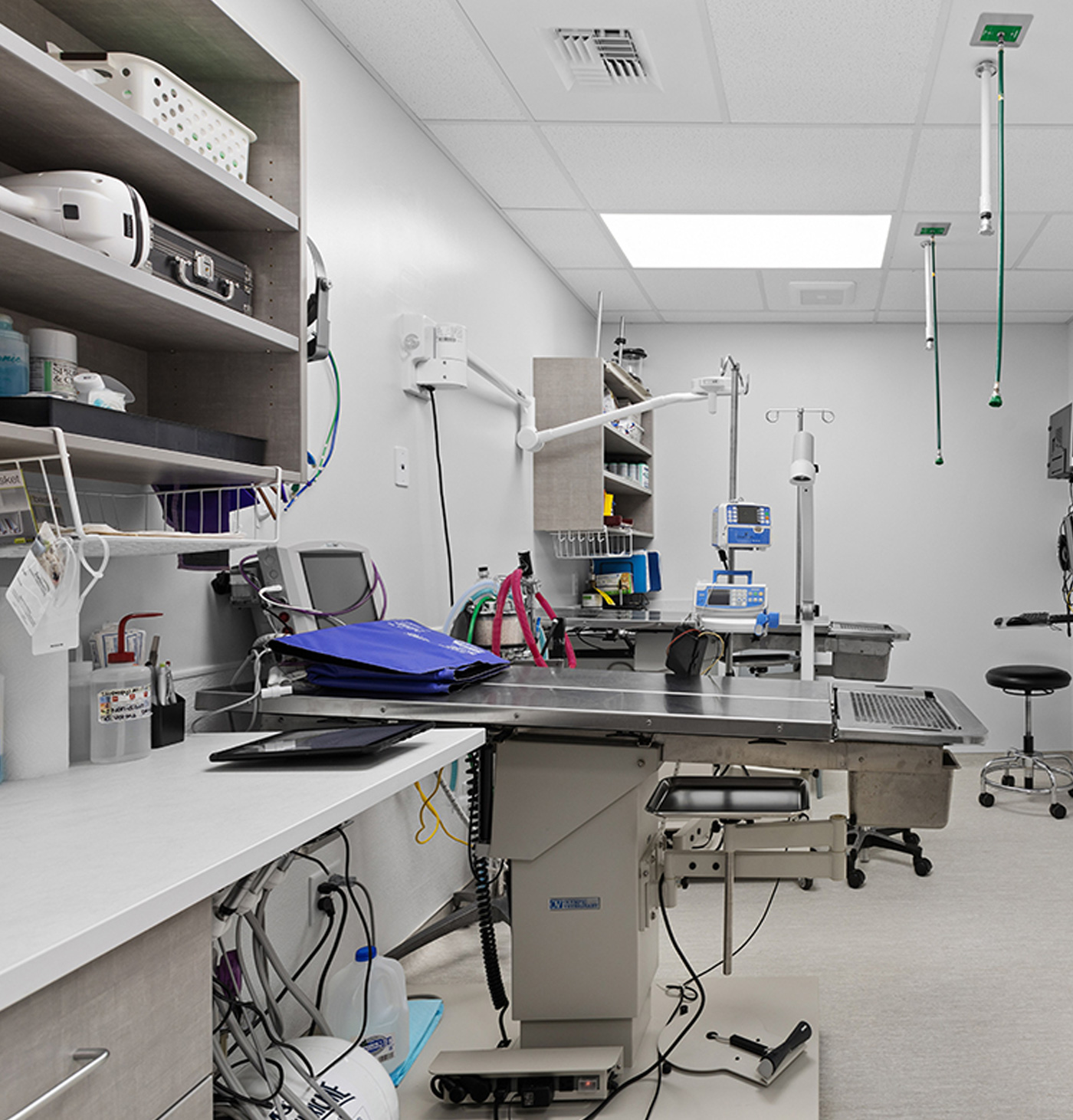
Surgical Procedures
If more advanced diagnostics and procedures are needed, referral to a board certified veterinary dental specialist is available.
Upon discharge, each pet’s oral exam and procedures are documented with high resolution photography and a full explanation of their procedure(s).